Homeowners usually discover an attic problem by smell before they ever see it. A faint ammonia note drifting from the ceiling, or a sudden bloom of fleas in a room that never had pets. Sometimes the first clue is a light dusting of insulation on the floor below a ceiling register, or scratching at dawn that sounds like someone walking in soft slippers above the drywall. By the time a wildlife trapper confirms raccoons, squirrels, bats, rats, or birds, the animals have often been there long enough to leave waste, oils, nesting debris, and damage that won’t resolve with basic cleaning. Removing the animals is half the job. Restoring the attic is the other half, and it directly affects indoor air quality, energy performance, and future pest pressure.
I have walked more than a thousand attics over two decades in wildlife pest control and building remediation. The best outcomes come from following a methodical sequence and respecting how houses breathe. Rushing a fogger through a hatch or swapping insulation without fixing entry points often costs homeowners twice, sometimes in as little as one season. This guide lays out the decisions, trade-offs, and field-proven steps we use after pest wildlife removal to return an attic to a healthy, efficient state.
Why clean matters more than it seems
Animal waste isn’t just unsightly. Urine salts attract moisture that wicks through insulation and framing, keeping wood damp long after an infestation ends. Damp wood invites mold, and repeated damp-dry cycles loosen fasteners and warp sheathing. Feces can harbor bacterial pathogens and parasites, and bat guano can carry fungal spores. Even when the health risk is low, the odor migrates through recessed lights, wire penetrations, and duct chases, then gets amplified by the HVAC system. Odor does not vanish on its own, because the uric acids and oils bind to fibers and cellulose. It has to be physically removed, then the affected surfaces need treatment and, in heavy cases, encapsulation.
From an energy perspective, damaged insulation is a silent bill. Rodents and squirrels carve runways that slash effective R-value. Raccoons compress fiberglass to a third of its thickness, which can double heat loss in cold climates. The cost of new insulation is almost always offset within a few winters, but only if the air control layer beneath it is tight and dry.
The sequence that avoids rework
Work order matters. I have seen teams sanitize first, then discover active tunnels in the eaves and a returning squirrel the next morning. A better approach starts outside and works toward finish materials inside. Seal the house, confirm removal, extract contaminated material, correct airflow and moisture problems, then rebuild.
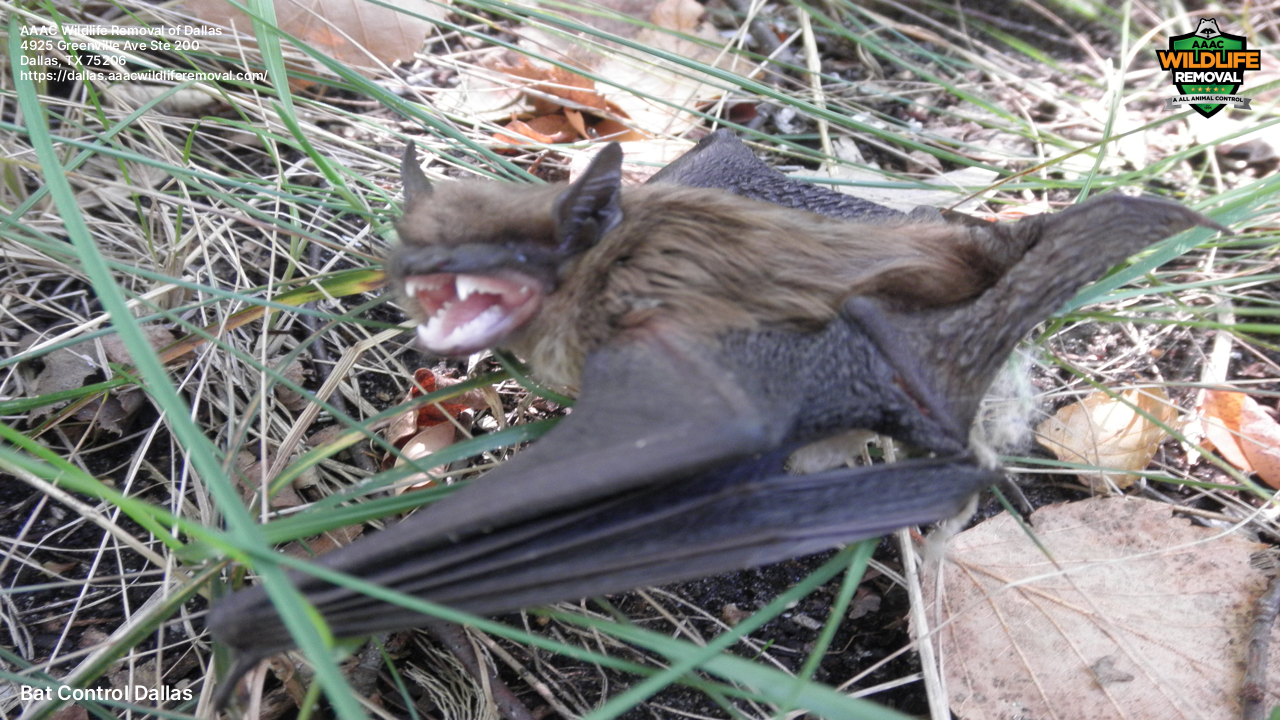
The first checkpoint is wildlife exclusion. Openings at roof returns, chimney crowns, ridge caps, and fascia gaps must be sealed with materials the target species cannot defeat. Steel hardware cloth, stainless mesh, and screwed metal flashings are the backbone here, not foam alone. Some species like bats require seasonal timing and one-way devices, and their exclusion is regulated in many states. If you are working with wildlife removal services, make sure your contractor and the wildlife control operator have coordinated the exact entry points and the timeline. If bats or protected birds are involved, a licensed pro should lead the sequence.
Once exclusion devices are in place and the attic is monitored for at least a few quiet nights, restoration can begin. In practice, we often stage restoration over two visits to give time for odor to dissipate and to verify that no animal has been sealed inside. Remote cameras, track pads near entries, and ultraviolet scanning of urine paths help confirm all-clear status.
Assessment: looking beyond the obvious
An attic assessment is not a quick glance with a flashlight. Good assessments map conditions and quantities. I carry a hygrometer, borescope, infrared thermometer, respirator, disposable suits, and a bright headlamp. I also bring sample bags and a small thermal camera for spotting wet insulation or leaks.
You want to document:
- Contamination patterns: Latrine sites, runways, nest bowls, and urine spray on rafters. Insulation type and condition: Batts, loose-fill fiberglass, cellulose, rock wool, and their coverage depth. Look for clumping, discoloration, and compression. Structural status: Chewed wires, gnawed plumbing vents, damaged flex duct, and scratched or stained sheathing. Airflow: Soffit vent blockages, disconnected bath fans, unsealed can lights, and chimney gaps. Moisture: Roof leaks, bath exhaust discharge into the attic, or frost on nails in winter climates.
Expect surprises. I have opened pristine-looking blown cellulose to find a collapsed dryer vent spewing lint and humidity for years. In one 1920s gable, the raccoon odor turned out to be a mix of urine and a hidden stack leak that rotted a bay of sheathing. Attic restoration often exposes larger house-system problems. Budget time for contingencies.
Safety, personal and environmental
PPE is non-negotiable. Even if lab-confirmed pathogens are uncommon, you only need to inhale dust once to regret skipping a respirator. For light rodent work, a P100 half-face is the minimum. For guano-heavy bat jobs or severe raccoon latrines, we step up to a powered air-purifying respirator. Tyvek or equivalent suits, nitrile gloves under work gloves, and eye protection make a difference when you are crawling through insulation or pulling debris. Bring plenty of water. Attics can hit 120 to 140 degrees in summer.
Containment is smart even when a full negative-pressure setup seems overkill. A zipper door at the attic hatch, floor protection in the access route, and a designated bag staging area keep dust out of living spaces. If you are using an industrial insulation vacuum, run the discharge line to a sealed bag system or directly to a trailer hopper with filtered venting. Never vent dust outdoors near neighbors or open windows.
Waste handling varies by jurisdiction. Raccoon latrines and bat guano often require special disposal protocols. Your local health department can confirm requirements. Treat this step as part of the job, not an afterthought.
Removal: when to spot-clean and when to strip
The big decision is how much insulation to remove. Many homeowners want a surgical approach to save money. Sometimes that works: small rodent runways or an isolated nest can be cut out and the surrounding area treated. If urine has penetrated widely, if raccoons nested, or if bats used the space for a season, full removal is the better path. A practical threshold is the nose and the meter. If a moisture meter and UV light show widespread urine and your nose still stings after an initial enzyme pretreatment, plan for a full strip.
Industrial insulation vacuums make removal efficient. We set up wide-diameter hoses, often from the driveway, and work systematically from the far corners back to the hatch. Expect 20 to 40 large bags for an average 1,800 square foot home with R-19 to R-30 levels. Cellulose pulls fast but creates heavy bags. Fiberglass tends to bridge and requires agitation. Keep an eye on soffit baffles and wiring so you do not rip them out in the process.
After the loose material is out, we hand-pick nests, shells, carcasses, seeds, and foreign debris. Rodents pack food into voids. Birds leave feather piles and mite-laden nesting. Better to over-clean now than return in two months for fleas. Where urine has soaked sheathing or the top chords of trusses, we wipe down with an enzyme cleaner and let it dwell.
Odor control that actually works
Odor is stubborn because it lives in both solids and the air. A quick spray of fragrance only masks it, and ozone machines can damage rubber, wiring, and some finishes if misused. We rely on three layers: source removal, enzyme-based treatment, and in extreme cases, sealing.
Enzyme and microbial cleaners break down uric acids and organic residues. They need contact time and correct dilution. Spray them to damp, not dripping, and avoid saturating wood. On vertical surfaces like roof sheathing where airflow helps drying, this works well. On thick framing or where oils have penetrated deeply, one pass rarely does it. Let it dry, reassess, and repeat.
Sealers come next if odor persists. Acrylic and shellac-based encapsulants lock in residual odor and create a bright surface that also helps future inspections. Use products designed for restoration, not generic primers. Apply by airless sprayer with a filter to avoid clogs from any remaining dust. You do not have to coat every square inch of the attic, but you should treat all stained or odorous areas, plus a border where you transition back to clean surfaces.

Avoid overusing ozone. There are jobs where a controlled ozone shock helps, especially in vacant homes, but it should follow source removal and sealing, not precede it. If you use it, protect rubber gaskets and isolate HVAC components.
Sanitization without collateral damage
Sanitizing is not sterilizing, and you do not need to turn an attic into a surgical suite. Broad-spectrum disinfectants used per label are adequate for surfaces you can contact. We prefer quaternary ammonium products for their balance of efficacy and material compatibility, though they can leave a tacky residue if over-applied. Hydrogen peroxide blends work well on porous wood but can lighten it. Chlorine bleach is not a good choice in attics due to corrosion and vapor risks.
Ventilate during and after application. Open gable vents or run a temporary fan exhausting to the exterior through the hatch. Watch for overspray near aluminum, copper, and HVAC components. https://manuelourv568.wpsuo.com/from-scratches-to-silence-squirrel-removal-solutions-that-work Disinfectants can corrode thin metals or pit flexible duct wire.
Air sealing: the quiet upgrade that pays for itself
With insulation out and surfaces dry, you have a rare view of the home’s air control layer. Air sealing at this stage reduces heating and cooling costs and keeps future animal odors and attic dust from communicating with living spaces. Focus on the big leaks: top plates, wire and pipe penetrations, chases around chimneys, and dropped soffits over kitchens and bathrooms.
Use fire-rated foam around flues and chimneys only where permitted, and maintain clearances per code. For general gaps, high-density foam and fire-rated caulk are your friends. At can lights, either replace with ICAT-rated fixtures or install airtight covers sealed to the drywall. Bath and kitchen fan ducts should be rigid or semi-rigid, sloped slightly to the exterior, and terminated with a proper dampered vent. Many of the musty odor complaints I see come from bath fans dumping into the attic.
If you are in a cold climate, consider a smart vapor retarder membrane on the ceiling side of the attic where codes allow. It is rarely feasible as a retrofit unless you are replacing ceilings, but while you have access, you can at least correct obvious gaps and repair torn polyethylene from past work.
Ventilation and moisture control
Attics need balanced intake and exhaust. Most homes are imbalanced. Squirrels and birds love to clog soffit vents with nests and shoved insulation. After removal, inspect every bay at the eaves. Install baffles to keep insulation from sliding into the soffits and to maintain a clear air channel. At the ridge or gables, verify that vents are free of debris and properly screened to keep wildlife out.
Mechanical systems also drive attic moisture. If you find a disconnected bath fan duct or a dryer vent that cuts into the attic, fix it before new insulation goes down. In coastal or humid climates, I sometimes see the opposite issue: over-ventilation that draws conditioned humid air through ceiling leaks, condensing on cold roof decks at night. Air sealing solves most of this, but be mindful of dehumidification needs if the home runs cold AC with a leaky ceiling.
Insulation choices after wildlife damage
Once the attic is clean, sealed, and dry, you can choose insulation with fresh eyes. Homeowners often ask for foam in hopes that it will also keep animals out. Foam is not a wildlife barrier. Animals can claw through many foams, and if they get behind it, cleanup is harder. Focus on R-value, air sealing, and wildlife exclusion at openings rather than relying on insulation to stop animals.
Blown cellulose and blown fiberglass both perform well when properly installed. Cellulose has a reputation for better sound control and slightly better air resistance through the material. Fiberglass is inert, resists settling, and performs consistently at low moisture levels. Both can be treated with borates that deter insects and provide some rodent aversion, though I consider that a bonus, not a primary control method.
Depth matters. Aim for at least the code minimum R-value for your climate zone. In much of the northern United States that means R-49 or higher, which translates to roughly 14 to 16 inches of blown fiberglass or 13 to 15 inches of cellulose. Use rulers stapled to rafters and blow to level, not hills and valleys. Keep baffles clear and build insulation dams around the hatch and mechanical platforms. If you have HVAC or a water heater in the attic, create service catwalks to prevent future compression and contamination.
Rolled batts can work in accessible, rectangular bays, but they invite gaps and tend to be compressed by future activity. I use batts at the edges and around dams, and loose fill everywhere else.
Repairs to wiring, ducts, and structure
Wildlife is hard on flexible ducting and electrical insulation. Before you insulate, have a licensed electrician repair gnawed wires and open junction boxes. The damage can be subtle, like tooth marks that expose copper enough to arc under load. For HVAC, replace compromised flex duct sections and seal all joints with mastic, not tape alone. If raccoons used ducts as highways, budget for significant replacement.
Chewed framing is less common but serious when it appears. Squirrels sometimes notch rafters near gable peaks to create squeeze points. These notches can weaken the member. Sistering with matching lumber and proper fasteners restores strength. If roof sheathing is stained and delaminated from chronic moisture, replace it during the next roof cycle, and encapsulate it now to control odor.
Preventing re-entry: exclusion that lasts
After the cleanup, reinforce the envelope. Wildlife exclusion services pair restoration with permanent defenses. This includes repairing fascia with rot-resistant materials, adding metal drip edges, screening attic vents with stainless micro-mesh sized for the target species, and installing chimney caps that meet fire and draft codes. On tile, slate, or metal roofs, animals often use gaps at ridge transitions and headwalls. Fit those with formed metal or mesh systems secured with screws, not adhesives alone.
The best exclusion is invisible from the curb but impenetrable up close. We test by tugging with pliers. A raccoon can bend light-gauge aluminum with ease. Use 18 to 23 gauge sheet metals and stainless fasteners where possible. For rodent gaps under garage door weatherstripping or at siding transitions, pair steel wool with sealants only as a backer, then finish with metal flashing or mortar so the point remains chew-resistant.
A wildlife trapper with construction experience is worth their fee here. Many general carpenters do fine work but underestimate animal strength and persistence. On repeat-infestation homes, I like to leave a few discreet monitoring stations: chew cards, motion cameras, or sealed track pads we can check seasonally.
Working with pros and setting expectations
Attic restoration intersects nuisance wildlife management, pest control, building science, and sometimes roofing and electrical trades. One contractor rarely covers all of it. A coordinated plan prevents friction and finger-pointing. Ask for a scope that spells out:
- Confirmed entry points and the exclusion method for each, with materials listed. The level of insulation removal and the criteria for moving from spot removal to full strip. Sanitization and odor control products by name, with application methods. Air sealing targets and how they will be verified. Insulation type, R-value target, and how ventilation will be protected. Responsibility for trade repairs: electrical, duct, and carpentry. Waste disposal method and any special handling for latrines or guano.
Clear scope protects both sides. If you hear guarantees like “no odor by tomorrow,” be cautious. Odor often fades over a week as residual molecules dissipate and sorb to less critical surfaces. Similarly, anyone promising a lifetime animal-free home without discussing maintenance is selling hope. Trees grow, fascia rots, and neighbors renovate, shifting animal pressure. Annual inspections keep you ahead of problems.
Costs, timelines, and practical numbers
Numbers vary by market and by severity, but a few ranges help with planning. Spot cleaning and partial insulation replacement after a minor rodent issue can land in the low four figures. Full removal, sanitization, air sealing, and R-49 blown insulation in an average attic often runs mid four to low five figures, especially when bagging and disposal are included. Add more for heavy guano or raccoon latrines that require multiple enzyme cycles and encapsulation. Electrical or duct repairs can swing totals by several thousand depending on access and scale.
Time-wise, a clean, uncomplicated attic can be restored in two to three days end to end, not counting the wildlife trapping period. Severe cases take a week, especially if you build in verification days between steps. Summer heat slows everything down. Plan early morning starts and hydrate, or stage work in cooler months where possible.
Edge cases: when the attic becomes conditioned
Some homeowners choose to convert a vented attic to an unvented, conditioned space by insulating the roof deck with closed-cell spray foam and abandoning ventilation. This can work well in the right climate and with proper vapor control. It also changes the wildlife calculus. Animals that breach the roof will have a harder time nesting in foam, but if they do, cleanup becomes surgical and costly. Odor can also be harder to chase because foam encapsulates rather than sheds. If you are considering this route after a major wildlife event, factor in the need for perfect exclusion and a higher budget for any future remediation.
Another edge case is historic homes with plank sheathing and balloon framing. Air sealing is more complex, and wildlife often uses the open wall cavities as highways. You may need to open interior chases or use dense-pack cellulose in wall bays from the attic to cut airflow before you insulate the floor. In these houses, coordination with a preservation-minded contractor is important so you do not trap moisture or violate code.
What homeowners can do before and after restoration
There is a useful pre- and post-restoration checklist that keeps the project on track and protects the investment.
- Before: Photograph soffits, chimneys, and roof edges after exclusion so you have a baseline. Move fragile items away from the attic access. Confirm where trucks can park and where debris will stage. Crate pets or arrange for them to be off-site on heavy removal days to avoid stress and to keep the access route clear. After: Walk the attic with the crew leader before insulation goes down. Look for missed nests, open ducts, or unsealed gaps. Once insulation is installed, take photos showing depth markers and baffles. Mark your calendar for a six-month check, then yearly, to scan exterior exclusion points and gable vents. Keep trees trimmed 6 to 10 feet away from the roof where possible, and watch bird and squirrel activity near fascia.
The long-term payoff
A restored attic does more than erase a bad smell. It tightens the building shell, stabilizes indoor temperatures, and reduces dust and allergens. In blower door tests, we routinely see air leakage reductions of 10 to 25 percent after a thorough air sealing and insulation project tied to wildlife cleanup. Energy bills drop, and humidity swings lessen, especially in mixed-humid climates. Just as important, a clean, bright attic becomes inspectable. The next time a roofer or electrician needs access, they are less likely to disturb the system or track debris into living spaces.
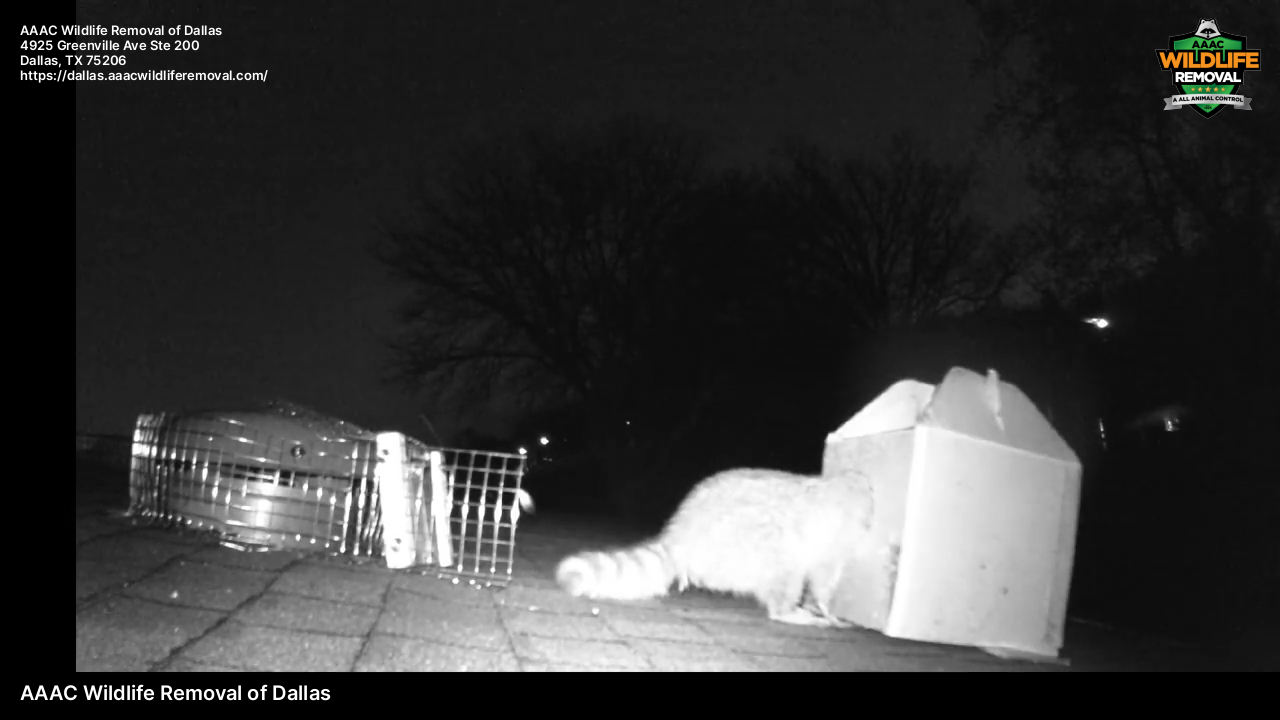
Nuisance wildlife management is a cycle. Animals seek shelter, food, and a safe place to rear young. Homes provide all three if neglected. Pairing strong exclusion with thoughtful restoration breaks the cycle. That means using the right materials where animals test the envelope, understanding how air and moisture move through your home, and not cutting corners on cleanup in the hidden spaces. When a homeowner invests in proper pest wildlife removal and the follow-on work, the results are tangible. The house smells like a house again. The thermostat stops playing tug-of-war. Nights are quiet. And the odds that you will be calling a wildlife control company again in six months drop sharply.
If you are facing this work now, lean on experienced wildlife removal services for the exclusion and a restoration team that speaks both building science and field reality. Ask specific questions. Walk the attic before and after. Accept that some jobs need more than one pass. Done right, attic restoration is a one-time reset that pays for years.