Bats do a lot more good than most people realize. A single little brown bat can eat hundreds of mosquitoes in an hour. Colonies thin out moths and beetles that chew through trees and crops. In many regions they are protected, and for good reason. Problems start when bats pick your attic, soffit, or chimney as a roost. Scratching in the night, guano piling on insulation, the sharp ammonia smell of urine, and the rare but real risk of rabies push homeowners to act. The right approach protects your home and your local bat population. The wrong one causes injury, creates long-term odor issues, and can violate state law.
After years in nuisance wildlife management across neighborhoods old and new, I’ve learned that bat work demands patience and precision. You don’t “trap” bats like raccoons, and you don’t seal a house the way you would for mice. You guide bats out with timing and design, then make the building unwelcoming for a return. The methods below reflect what consistently works for pest wildlife removal while staying humane and legal.
What bat activity looks and sounds like
Bat problems announce themselves at dusk and before dawn. Homeowners call after they’ve heard a light chitter, then a quick scratch or flutter in the walls right before bedtime. Unlike squirrels, which thump and scurry during daylight, bats keep a tighter, quieter schedule. Guano collects in small pepper-like pellets, about rice-grain size, often below fascia gaps, gable vents, and ridge lines. If disturbed, the piles collapse into powder. This dust carries fungal spores that can cause histoplasmosis in some regions, so treat guano like hazardous material.
I’ve traced more infestations to subtle construction gaps than dramatic holes. A quarter-inch opening along a drip edge is more than enough. In brick homes, the bat highway might be an unsealed top course or failed mortar at the frieze board. In stucco, look for separating flashing. In wood, check knot holes under eaves. Before you do anything else, spend an evening outside, watch the structure at twilight, and note where bats exit. Two or three nights of patient observation can save you a month of guesswork.
Why humane bat removal matters
Bats aren’t rodents. They reproduce slowly, generally one pup per year. An exclusion done at the wrong time can trap babies inside, an outcome that’s both inhumane and a fast track to dead-animal odor, staining ceilings, and secondary pests. Most states enforce a maternity season blackout when bat exclusion is limited or prohibited, commonly from late spring through mid or late summer. Local wildlife agencies or a reputable wildlife pest control service can confirm dates for your area.
Rabies risk is low but serious. Public health data vary by state, yet in most years a small percentage of tested bats carry the virus. The rule of thumb is simple: never handle a bat barehanded, assume any bat found in a sleeping area is a potential exposure, and coordinate with your health department or a wildlife removal service if you have contact. Humane methods keep people safe and preserve a species that quietly supports local ecosystems.
Timing is everything: working around maternity season
If there’s one lesson that separates effective bat removal from repeated failures, it’s timing. Adults can squeeze out through one-way devices. Flightless pups cannot. Seal a house while pups are inside and you create two problems: mothers stuck outside will desperately search for alternate entries and sometimes end up inside living spaces, and pups inside will die and decompose in inaccessible cavities.
In most temperate regions, maternity season runs roughly from May into August, give or take a few weeks. I treat April as a soft start and September as a soft end because cold snaps and warm springs shift the calendar. If you discover bats during the blackout window, focus on mitigation rather than exclusion: keep interior doors sealed, install temporary guano catchments to protect insulation, and prepare the structure for a clean, fast exclusion as soon as the window opens. The day that pups are volant, get your equipment ready and move decisively.
Site assessment that doesn’t miss the real entry
Bat jobs are won or lost during the inspection. You need to map the entire building envelope from the foundation to the ridge. I’ve worked brick colonials with a single thumb-sized gap behind a downspout that hosted a colony, and modern stucco homes where the real path was behind a decorative band with hidden weep spaces. A methodical inspection catches what casual glances miss.
Start with the roofline. Look for staining or oily rub marks where bats pass nightly. Examine ridge vents for lifted sections, gable vents for torn screening, and chimney crowns for hairline cracks at the flue. Follow soffits around corners. Check where different materials meet: brick to wood, stucco to metal, shingle to fascia. At ground level, review utility penetrations that run upward into walls, especially where bath vents or cable lines create gaps.
Attic entry is the second half of the puzzle. From inside, use a headlamp. Fresh guano piles will collect below roost points, typically near attic edges rather than open centers. You may see roost staining on rafters and sheathing. Note airflow; bats like warm, stable spaces with minimal draft. If you see daylight, don’t assume it’s the entry until you confirm it matches an exterior exit route during dusk counts.
The right tool for the job: professional-grade exclusion materials
Hardware store foam and a hope rarely hold up to a bat’s persistence. You need flexible materials that seal tiny gaps while tolerating movement from heat and wind. On most projects I use a combination: high-quality polyurethane sealant for hairline cracks, copper mesh for voids that need breathable fill, and stainless hardware cloth for sturdier barriers behind vents. For one-way devices, commercial bat valves or net funnels work because they let bats exit while preventing reentry. The key is a snug fit, no alternative edges to slip under, and materials that won’t collapse or stick to wings on exit.
Avoid sticky repellents. They foul bats’ fur and risk injury. Ultrasonic gadgets promise quick fixes, but in real homes they scatter bats to other voids rather than solve the problem. Strong lighting or fans can encourage movement but rarely complete the job. The heart of humane bat removal is exclusion, not harassment.
Step-by-step humane exclusion that actually works
The process is simple in theory, fussy in practice. Done carefully, you’ll clear a structure in a week or two without harming a single bat. Rushing the order, or missing a thumb-size gap around the corner, resets the clock. Here is the clean sequence I follow on most homes.
- Document all potential entry points, then identify the primary exits used at dusk. Mark them for placement of one-way devices and plan your sealing route. Seal all secondary gaps first, leaving only the primary exits open. Install one-way devices at those exits with secure edges and a smooth, free path for bats to drop and fly. Monitor for three to five nights of clear weather. Watch for continued exit activity. If bats still find new routes, pause and re-inspect the perimeter for missed openings. When exit activity stops and no guano accumulates under devices, remove the one-way gear and permanently seal those primary openings with appropriate materials. Schedule a follow-up dusk check within one to two weeks to confirm the structure remains tight.
That’s the field version that keeps callbacks to a minimum. You’ll notice it’s the opposite of “spray something and hope.”
The attic aftermath: guano remediation and odor control
Even a small colony can deposit several pounds of guano over a season. Left in place, it compacts into insulation, stinks in humidity, and can support fungal growth. Remediation is as important as the exclusion. Suit up with a respirator rated P100 or equivalent, gloves, and disposable coveralls. If the attic is heavily contaminated, negative air containment and HEPA vacuums are worth the setup. Bag waste securely for disposal according to local rules. Do not stir dry guano with a standard shop vac without HEPA filtration. You’ll aerosolize dust and make the risk worse.
In many homes, the top layer of insulation under roosts must go. Replace it with new material to restore R-value. Seal stained sheathing with a shellac-based primer to lock in odor. If urine has soaked through drywall at cathedral ceilings, you may need to cut out and replace sections rather than coat over them. A good wildlife removal service will include this cleanup and restoration in a transparent estimate, so you know whether you’re facing a few hours of vacuum work or a more involved project.
What not to do, no matter how tempting
Poison is never an option. Beyond being illegal in many jurisdictions, it creates a nightmare of dead bats in inaccessible spaces and a new wave of insects feeding on the carcasses. Glue boards, sticky gels, or “home remedies” with mothballs and ammonia are cruel and ineffective, and they drive bats deeper into wall cavities.
Do not seal everything in one day without devices if bats are present. You might trap them inside, leading to frantic behavior, interior entry, and death. Don’t remove exclusion devices before you’re sure the house is empty. A single pregnant female left inside can restart the colony.
Finally, don’t assume any pest control company is qualified for bat work. General pest control focuses on insects and rodents. Bat removal requires different tools, timing, and liability awareness. If a provider suggests trapping or poisoning, keep looking.
Choosing a qualified wildlife professional
If you prefer to hire out, vet the company like you would a roofer or electrician. Ask about their bat-specific experience, not just raccoon removal or squirrel removal. The skill set overlaps, but bats call for a quieter hand. A reputable wildlife trapper will talk through maternity season timing, one-way devices, and sealing strategy rather than quick chemicals.
Look for licensing that covers nuisance wildlife management in your state and insurance that includes ladder work and roof access. Ask for photos of past projects: close-ups of device placement and sealing, not just glamour shots of trucks. In larger metro areas, there are firms dedicated to wildlife exclusion service, and some offer long-term warranties tied to the integrity of their sealant work and building envelope repairs. If you are in North Texas, wildlife control dallas providers often have seasonal backlogs during peak bat months, so plan ahead when possible.
Regional quirks that change the plan
Bats choose different entry spots based on climate and construction styles. In the Upper Midwest, ridge vents with brittle plastic flanges are a common highway. In the Southeast, open Spanish tile creates a whole series of roost-sized voids, and the exclusion plan may include custom screening runs along the eaves. In older Northeastern homes with balloon framing, bats slip into wall cavities at soffit returns and travel down two stories. In arid regions, foam-stucco interfaces and decorative gaps take the top spot. Adjust your inspection map to the building style, not just a generic checklist.

Weather matters. Heavy rain during an exclusion period can stall nightly foraging, which can mislead you into thinking a colony has cleared when they have simply stayed in due to storms. Give it two or three fair evenings before calling the job complete.
Legal and ethical guardrails
Every state sets its own rules for bat removal. Most prohibit exclusions that risk pup mortality during a defined window. Some require permits for bat work in historic structures or for protected species. If you cannot find clear guidance online, call your state wildlife agency. They will tell you exactly what’s allowed this month in your county.
Ethically, we also owe bats a clean exit. That means ensuring devices do not snag feet or wings, removing devices promptly once the structure is clear, and preserving alternate roost opportunities on the property when possible. I’ve installed bat houses on nearby trees or sheds after exclusions. They do not guarantee a colony will relocate there, but they provide an option that sometimes takes, especially if mounted 12 to 20 feet high with a clear flight path and morning sun.
Long-term prevention: keep the envelope tight
Bats return to successful roosts year after year. A clean exclusion buys time, but prevention keeps the calendar clear. The goal is to remove what attracted them and close the tiny failures that invited them in.
Start with light control. If your attic glows at night through gable vents or ridge lines, bats can use the light leak as a navigational cue. Proper vent screening and baffles solve this while maintaining airflow. Check roof maintenance annually. Freeze-thaw cycles, hail, or heat expansion open new gaps at fascia and flashing. Revisit sealants, which can crack over the years, and replace with high-UV, paintable products designed for exterior movement.
Landscaping plays a small but real role. Keep branches trimmed back from the roof line by several feet. Tangled limbs deliver bats to eaves with little effort and can mask exit routes during inspections. Secure loose siding panels, and keep soffit vents screened with metal rather than plastic that raccoons can pry open. Many wildlife removal service calls begin after a raccoon or squirrel created an opening that bats later used. A home that’s tight for squirrels is tight for bats. Pest abatement is a whole-envelope discipline.
When a bat gets inside living space
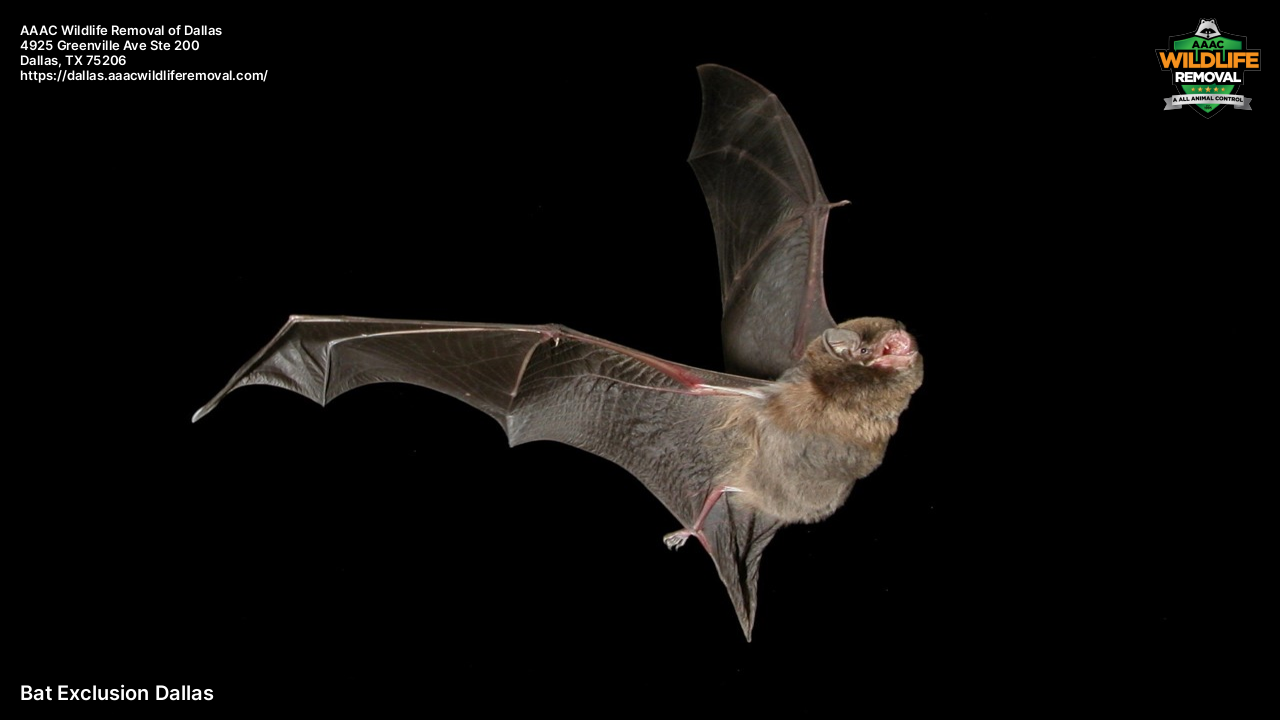
A bat swooping through a living room sparks panic. Turn the lights on in one room and off in the others. Close interior doors to confine it. Open a window in the lit room, remove screens, and give it a clear exit path. In most cases, the bat will circle high, orient, and leave within minutes. If it lands low and remains still, cover it with a small box or container, slide a piece of cardboard underneath, and carry it outside to release, preferably near a tree. Wear gloves and avoid direct contact.
If someone woke up with a bat in the bedroom, or a bat was found in a nursery, the situation changes. Contact your health department for guidance. They may recommend capturing the bat for rabies testing. This is where a wildlife pest control service or pest wildlife trapper can help capture without injury and coordinate with testing protocols.
Cost, scope, and realistic expectations
Homeowners often ask why bat removal costs more than standard pest control. The answer is time, access, and warranty risk. A good exclusion requires ladder work, multi-visit monitoring, and sealing dozens of gaps that most people never see. Materials are specialized. Cleanup can be simple or extensive, and attic work is slow by nature. For a typical single-family home with modest contamination, expect a range that can span from a few hundred dollars for a small, straightforward outbuilding job to several thousand for a large, complex roofline with cleanup and insulation replacement. If a quote seems unusually low, it often skips key steps that prevent a return.
Expect a professional to set a clear timeline around weather and bat life cycle. Ask for photos of all sealed areas and device placements, not just a final invoice. The best providers explain their decisions along the way, and they tell you when to wait because pups are present. That candor is worth more than a quick start.
How bat work differs from other wildlife jobs
It helps to understand why bat exclusion feels so precise compared to raccoon removal or squirrel removal. Raccoons are strong and noisy, and they leave claw marks and torn fascia you can’t miss. Squirrels chew entry holes the size of a golf ball and run by day, so thermal cameras and daylight inspections catch them in the act. Bats leave minimal structural damage and prefer ready-made gaps that test your patience. They also navigate differently, relying on echolocation and memorized pathways. The subtlety makes bat removal a craft. Good bat pros approach it like finish carpentry, not demolition.
If you already have an ongoing battle with squirrels or raccoons, deal with them first. Their activity can wreck exclusion materials and create new openings overnight. A staged plan, starting with heavy hitters and ending with bats, keeps your investment intact. This is where bundling services with a dedicated wildlife exclusion service pays off.
A real-world example
A two-story brick home built in the late 1990s, hipped roof, decorative crown at the frieze. The owner reported faint scratching near a second-floor bathroom around 5 a.m., plus small pellets on the back patio. During a dusk watch, we saw bats slipping out between the brick and frieze board, a gap barely the thickness of a pencil. Thermal confirmed warm spots along twenty feet of that line.
We sealed all weep holes except those near the exit run with copper mesh behind decorative covers, installed two bat valves along the active stretch, and closed potential alternates at ridge end-caps and a loose gable vent. Three clear nights later, no exits recorded on camera and no fresh guano. We removed the devices, sealed the remaining gaps with polyurethane and color-matched mortar, then vacuumed a light guano trail in the attic corner. The entire project took two visits and a follow-up, with less than a bag of waste removed. Five years on, a quick warranty inspection found everything tight.
The quiet payoff
When bat work is done right, your house goes silent at dusk. No flutter near the soffit, no peppery scatter on the patio, no ammonia drift after a humid day. You keep a local bat population alive and hunting in your yard, and you remove them from your living space without trauma. That balance is the standard for humane pest wildlife removal. It takes planning, respect for the animals’ life cycle, and attention to the building’s smallest seams.
A home is a system. Roofers, painters, and wildlife trappers all touch it in different ways. If you build habits around regular inspections, thoughtful sealing, and timely maintenance, bats don’t get a second chance to move in. And if they do show up again, you’ll recognize the signs early enough to act before a few visitors become a colony.
A compact homeowner checklist
- Confirm maternity season timing with your state wildlife agency before you start any exclusion. Perform dusk and pre-dawn watches to identify true exit points rather than guessing from daylight gaps. Seal secondary gaps first, install one-way devices on primary exits, then monitor for several clear nights. After the house is empty, remove devices, finish permanent sealing, and address guano cleanup with proper protection. Schedule annual exterior reviews of sealants, vents, and roof edges, especially after storms or heat waves.
Working with bats demands a mix of patience and decisiveness. Give them a path out, remove their welcome, and https://sites.google.com/view/aaacwildliferemovalofdallas/wildlife-removal-near-me-dallas keep your building envelope honest. Whether you handle it yourself or call a wildlife trapper, the best practices remain the same: humane exclusion, careful cleanup, and prevention that respects both the animals and your home.